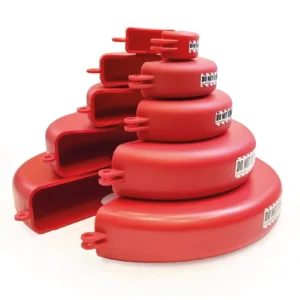
What Are Valve Lockout Devices?
When performing maintenance, these devices shut off the valves that regulate the flow of gas, chemicals, steam, water, or any other pressurized medium to prevent unintentional operations. The purpose of valve lockout devices is to lock valve handles, wheels, and levers in place and avoid any unauthorized or accidental operation.
How Do Lockout Valve Systems Work?
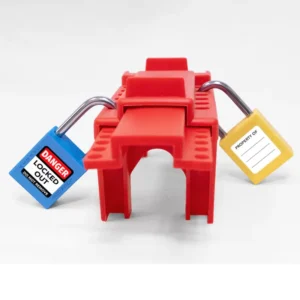
Valve loto devices usually work as critical components of LOTO protocols as they facilitate the isolation of fluid, gas, steam, or any other source of dangerous energy before undertaking maintenance operations. Once the isolation point has been set to the right place, a valve lockout, safety padlock, and lockout tag are applied. The valve cannot return to operation if the authorized employee does not remove the lockout following completion of maintenance.
Why Valve Isolation Matters During Maintenance?
Valve isolation basically acts as a control measure for hazardous energy during maintenance or testing work environments. In a piping system, these mechanical devices help close off the flow of electricity and hydraulics. They also eliminate the risk of downstream equipment damage from exposure.
How Do Valve LOTO Devices Prevent Workplace Accidents?
The Valve LOTO devices ensure safety in the workplace by keeping a positive isolation of any energy source. They also limit access to valves and minimize the exposure of personnel to high pressure or any fluids and chemicals. As part of a Lockout/Tagout procedure, they ensure that maintenance work is carried out under verifiable isolation conditions.
Our Range of Valve Lockout Devices
Each valve design requires a particular lockout procedure to accomplish isolation of energy. The industrial valve lockouts are made such that they can fit various valve types. Here are the different types of valve lockout devices:
1. Gate Valve Lockout
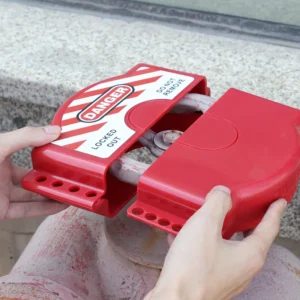
Gate Valve Lockouts used on hand wheel-operated valves to enclose the valve wheel in order to stop it from rotating while servicing. This lockout device is available in various sizes to fit all kinds of valve wheels.
2. Ball Valve Lockout
This type of valve lockout is used to keep the quarter-turn valve open or closed. It is designed to be used on industrial pipelines and processes to reduce valve movement during service operations.
3. Butterfly Valve Lockout
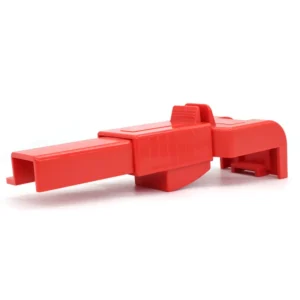
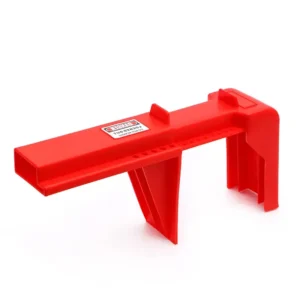
Butterfly valve lockout devices are specifically developed to lock lever valve handles from rotating movements. They are mainly used in process industries and flow control systems to ensure valve isolation during maintenance processes.
4. Adjustable Gate Valve Lockouts
These are created to suit various valve sizes using only one unit. Adjustable gate valve lockouts assist in minimizing lockout management problems, decrease inventory needs, and offer a cost-efficient solution for various valve sizes.
Real Life Applications of Valve Lockout Devices Across Different Industries
Valve lockouts are extensively used by many organizations in various industries involving pipelines, process systems, and utilities for controlling the flow of liquids, gases, and steam. Typical applications of these valve lockouts include petroleum, petrochemicals, power plants, water treatment, manufacturing plants, pharmaceutical companies, and food processing facilities.
How to Select the Right Valve Lockout Device?
- Select the Valve Type: Determine whether you have a gate valve, ball valve, butterfly valve, or plug valve, because each type of valve requires a different type of lockout.
- Determine the Main Valve Dimensions: Check that the valve diameter, handle dimensions, or wheel diameter are compatible with the lockout device being used.
- Assess Environmental Conditions: The selection of lockout materials should be reviewed against corrosive conditions, outdoor use, chemicals, and temperature.
- Choose the Correct Size of Padlock: Make sure that the lockout can work together with safety padlocks and shackles of specific diameter used in your facility’s LOTO program.
- Meet the Compliance Requirements: Ensure that the chosen lockout will be suitable for OSHA compliance and lockout/tagout compliance requirements.
Why Choose Kanha Loto House For Valve Lockout Devices?
Kanha Loto House is a leading manufacturer of industrial safety equipment in New Delhi. We provide effective industrial lockout solutions for energy isolation. We make sure that all the valve lockout devices that we supply are compliant with the OSHA lockout/tagout standard.
With years of experience in manufacturing LOTO products, we’re confident we can offer you rugged, industrial-grade lockout devices, a range of valve lockout options, and expert product guidance to support your safety program. Looking for product recommendations or budget quotes? Connect with us today!
Frequently Asked Questions
1. Are valve lockout devices reusable?
Yes, indeed. Most of the valve lockout tools are built to be reusable in the industrial setting.
2. Which industries use valve LOTO devices?
Valve lockout mechanisms are extensively applied in industries that deal with oil and gas, chemical processing plants, manufacturing plants, and power plants. They are also used in water treatment industries, pharmaceuticals, food and beverages, mining, and petrochemical sectors.
3. Do valve lockout devices support LOTO compliance?
Yes, valve lockout devices are important to a lockout/tagout compliance program. They also meet OSHA’s lockout/tagout requirements and other workplace safety requirements when used as part of a complete LOTO program.
4. Are these compatible with safety padlocks?
Most of the valve lockout devices are designed to fit with standard lockout/tagout padlocks.